logo
होम

ब्लॉग के बारे में Suburban Sprawl Fueled by Affordable Air Conditioning

प्रमाणन
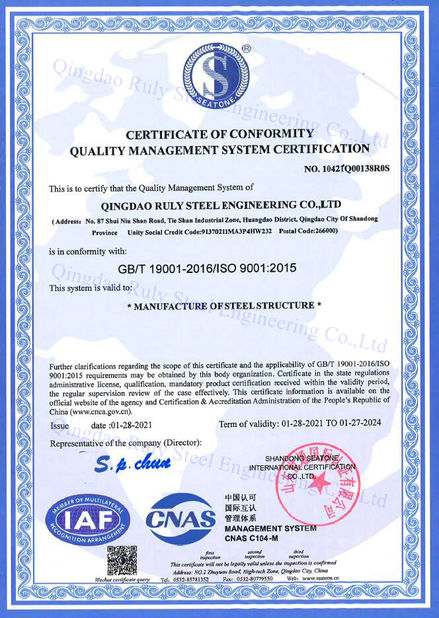
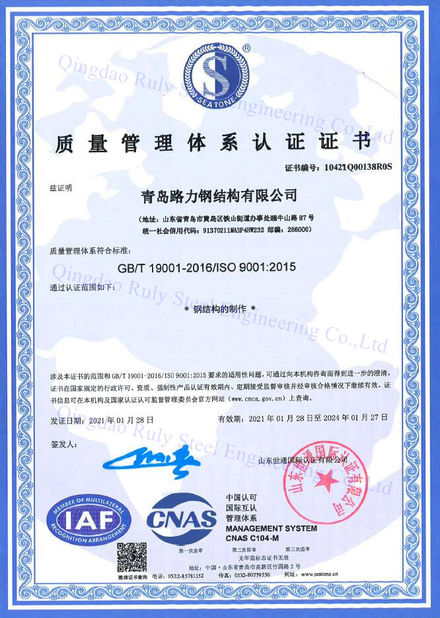
चीन Qingdao Ruly Steel Engineering Co.,Ltd प्रमाणपत्र
ग्राहक समीक्षा
ईमानदार होने के लिए, मैं शुरुआत में स्टील संरचना से इतना परिचित नहीं हूं, लेकिन उन्होंने मुझे अपना प्रोजेक्ट पूरा करने में मदद करने के लिए एक सही प्रस्ताव दिया, अच्छी नौकरी, सचमुच स्टील

—— माइक गुइगिओ

प्रसव के समय त्वरित है, और बहुत महत्वपूर्ण है: उत्पादों को हमेशा आदेश से मेल खाता है। मुझे उन पर भरोसा है क्योंकि मैं उनसे कभी निराश नहीं हुआ।

—— मे सीना

यह पारस्परिक सहयोग लगभग 4 वर्षों तक चलता है, और उन्हें जो सेवा प्रदान करनी चाहिए, उसे स्वीकार करना चाहिए।

—— टेरी शेपली

मैं अब ऑनलाइन चैट कर रहा हूँ
कंपनी ब्लॉग
Suburban Sprawl Fueled by Affordable Air Conditioning
के बारे में नवीनतम कंपनी की खबर Suburban Sprawl Fueled by Affordable Air Conditioning

Have you ever marveled at the sprawling, look-alike megahomes dominating American suburbs? These structures, often derisively called "McMansions," have become symbols of mass-produced architecture and aesthetic monotony. Yet their rise was no accident—it was quietly enabled by an unexpected innovation that transformed residential construction.

The Underestimated Innovation That Changed Everything

In the mid-20th century, a seemingly modest advancement in construction materials—the widespread adoption of precast concrete components—laid the foundation for the McMansion boom. This technology allowed building elements to be manufactured off-site and rapidly assembled, promising efficiency gains and cost reductions to meet postwar housing demands. While initially pragmatic, this standardized approach gradually reshaped architectural possibilities—and limitations.

Standardization and the Homogenization of Taste

Precast concrete components revolutionized homebuilding by introducing factory-like precision to construction sites. Architects and developers embraced standardized modules that could be quickly configured into larger, more ostentatious dwellings. This assembly-line approach naturally favored repetitive designs, with builders maximizing square footage on limited lots while recycling familiar decorative elements. The result was a suburban landscape where distinctiveness surrendered to expediency—giving rise to the "McMansion" label that critiques both their scale and stylistic predictability.

Economic Forces and Social Aspirations

The McMansion phenomenon represents more than technological determinism—it's the product of calculated market forces. During economic expansions, homeowners increasingly viewed oversized residences as status markers, while developers leveraged prefabrication techniques to deliver these aspirations profitably. Media portrayals and neighborhood peer effects further cemented the "bigger is better" mentality. However, this pursuit of scale has brought unintended consequences: resource inefficiency, community strain, and long-term maintenance burdens that challenge their initial appeal.

Reassessing the Future of Residential Design

As sustainability concerns grow and architectural tastes evolve, both professionals and homeowners are reevaluating the McMansion paradigm. The challenge ahead lies in balancing construction efficiency with thoughtful design—creating dwellings that serve human needs without sacrificing community character or environmental responsibility. The legacy of precast concrete reminds us that even well-intentioned innovations can produce complex cultural outcomes when divorced from holistic planning.

पब समय : 2026-08-05 00:00:00 >> ब्लॉग सूची
सम्पर्क करने का विवरण
Qingdao Ruly Steel Engineering Co.,Ltd

व्यक्ति से संपर्क करें: Mr. steven

दूरभाष: 0086-18661691560

हम करने के लिए सीधे अपनी जांच भेजें (0 / 3000)